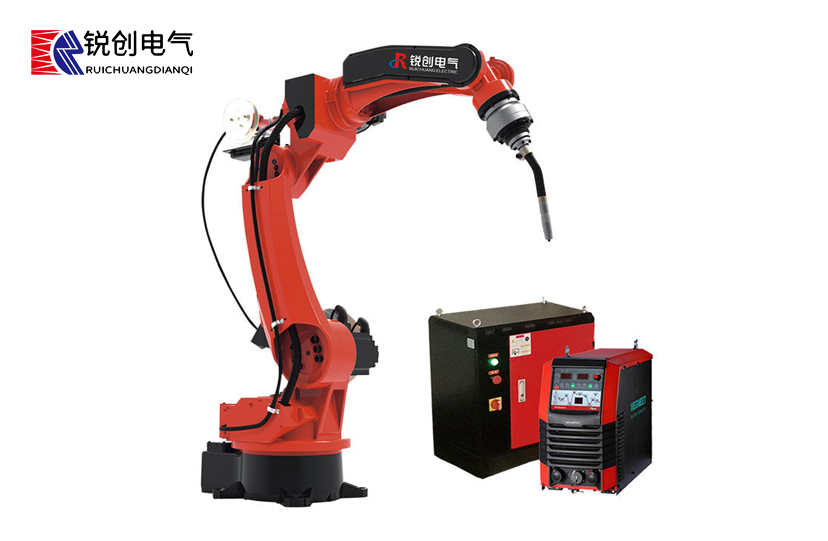
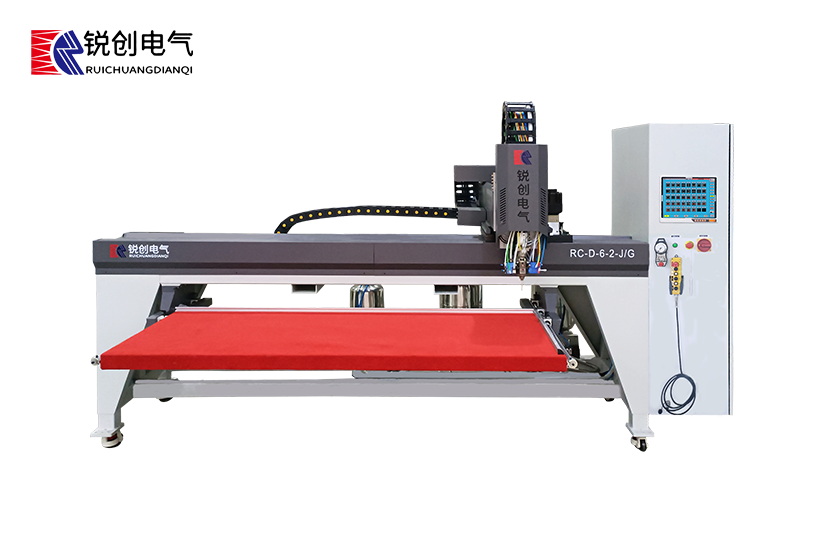
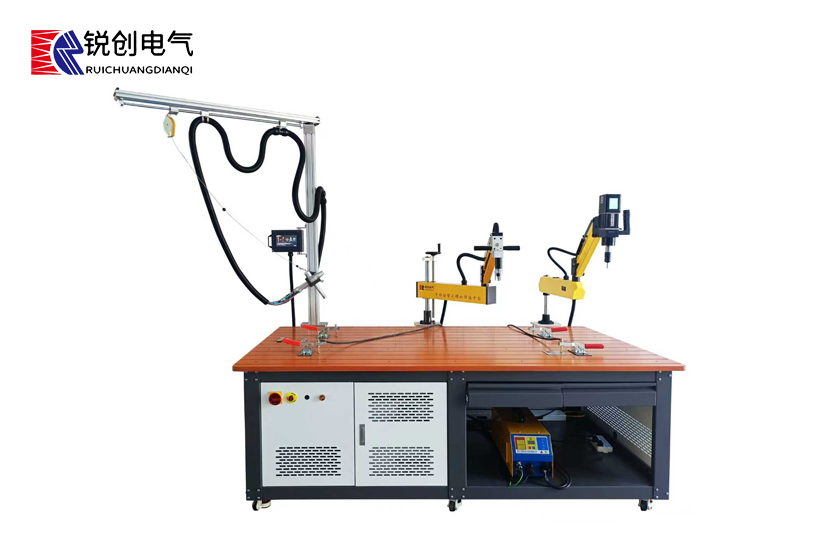
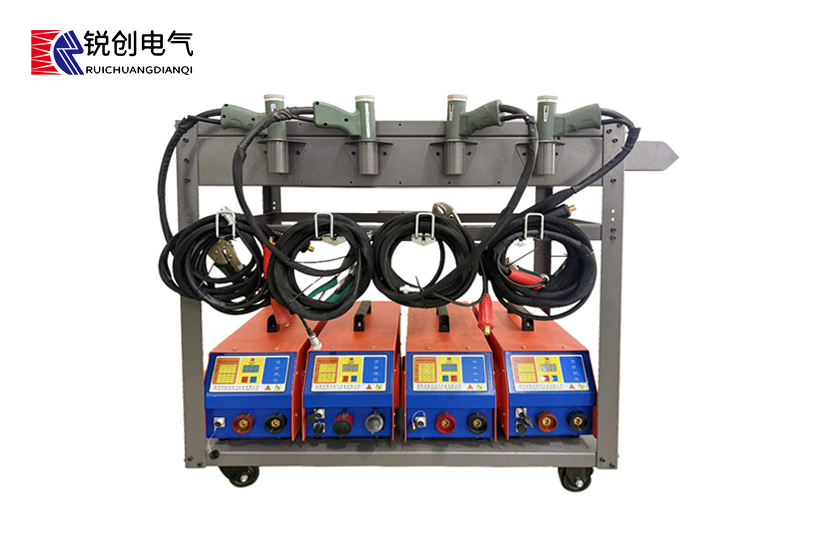
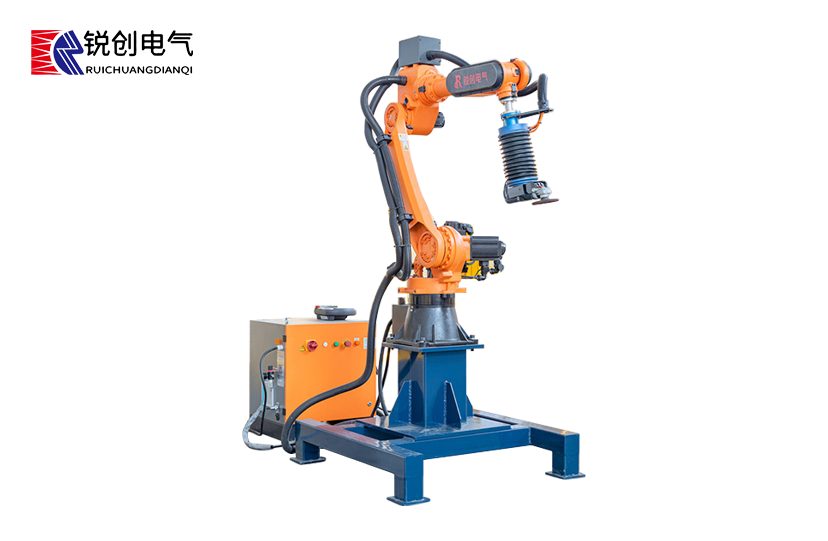
Edge Gring and Deburring Robot
Robot Type: Robotic Grinding and Deburring System
Processing Functions: Edge Grinding, Burr Removal, Surface Finishing
Applicable Materials: Steel, Stainless Steel, Aluminum and Metal Components
Control System: Intelligent Robot Motion Control System
Edge Gring and Deburring Robot — Automated Burr Removal and Surface Finishing System for Metal Parts
Luoyang Ruichuang Electrical Equipment Co., Ltd. (founded 2002) designs and manufactures the Edge Gring and Deburring Robot as part of its industrial robot application systems. The device uses a high-speed spindle, a multi-axis robotic arm and active force-control sensing technology to remove burrs, sharp edges and flash from machined or cast metal parts. The force may be controlled between 10 N and 200 N. The spindle speed is 15,000 rpm to 60,000 rpm. The repeatability is ±0.03 mm to ±0.05 mm. It operates in continuous production runs with parts of steel, stainless steel, aluminium alloy, cast iron, zinc alloy and cooper.
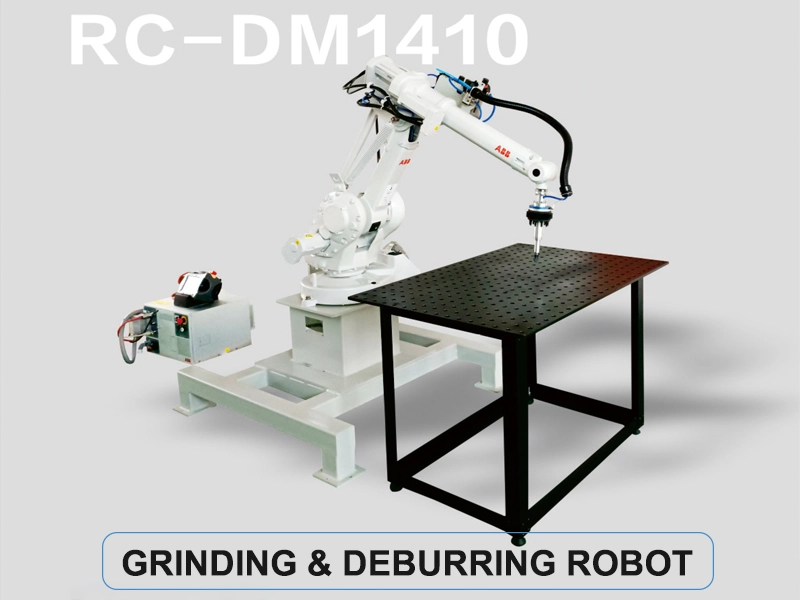
What Is the Edge Gring and Deburring Robot?
Manual grinding creates real problems on the production floor — inconsistent edge quality, high labor turnover, metallic dust exposure, and Hand-Arm Vibration Syndrome (HAVS) risks for workers.
The product automates the entire surface finishing process. It utilizes CAD-to-Path software and active force correction to follow complicated part geometries with sub-millimeter accuracy. The technology works on workpieces after cutting, stamping, casting or welding – offering repeatable results shift-to-shift without the inconsistency caused by worker weariness.
Key Technical Specifications
| Parameter | Specification |
|---|---|
| Robot Configuration | 6-axis or 7-axis robotic arm |
| Force Control Range | 10 N – 200 N (active or passive compensation) |
| Repeatability | ±0.03 mm – ±0.05 mm |
| Spindle Speed | 15,000 – 60,000 RPM |
| Spindle Drive Type | Electric or pneumatic high-torque spindle |
| IP Rating | IP67 (compatible with wet and dry grinding environments) |
| Processing Functions | Edge grinding, burr removal, surface finishing, edge rounding |
| Applicable Materials | Steel, stainless steel, aluminum alloy, cast iron, zinc alloy, copper, hard plastics |
| Programming | CAD-to-Path software with 3D vision system integration |
| Tool Wear Compensation | Automatic TCP update via integrated tool-setting gauges |
| Quality Standards | ISO 9283, ISO 10218, VDI/VDE 2861 |
Core Advantages
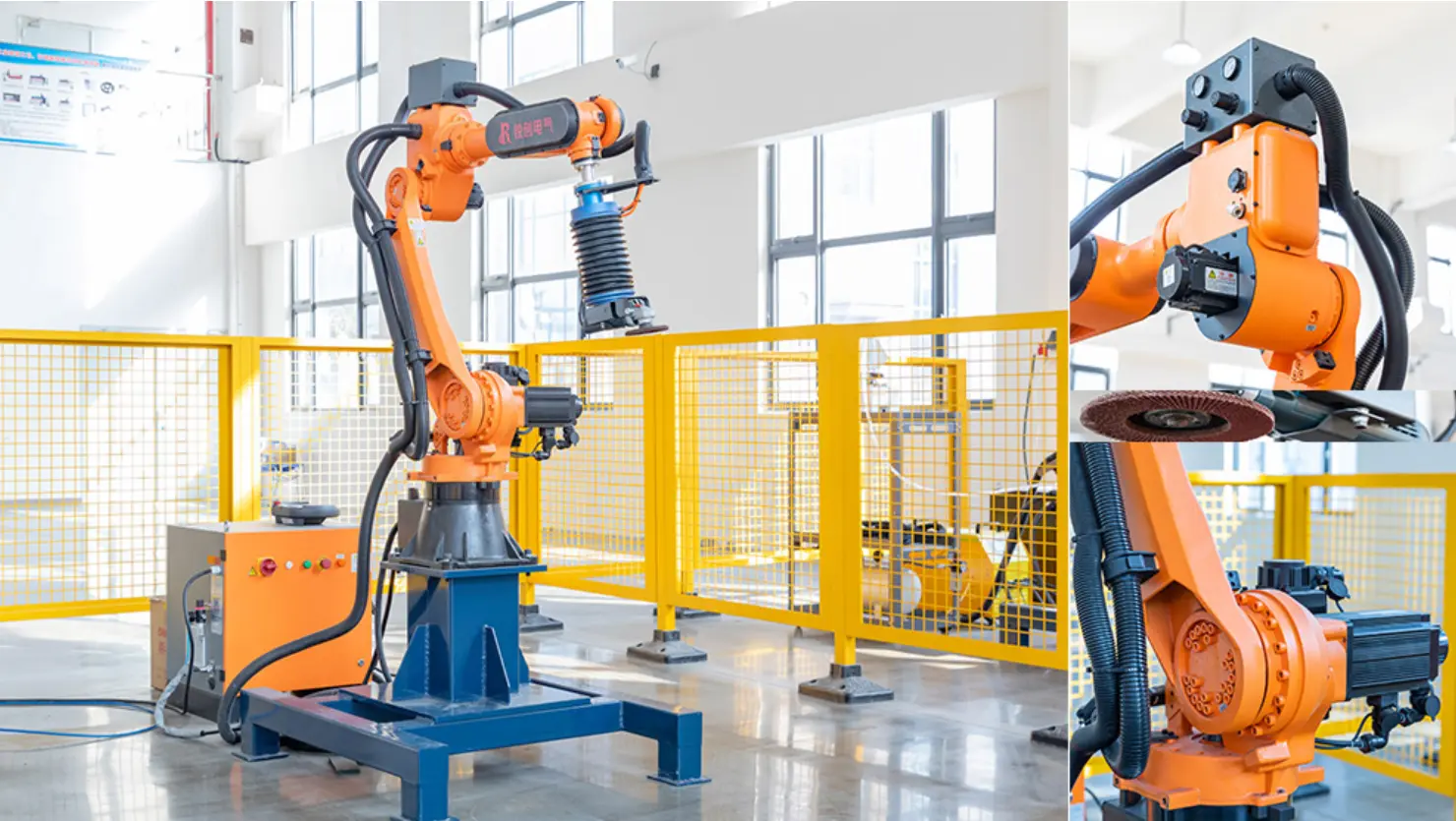
Constant force control for uniform results
The active force compensation system maintains a constant contact pressure regardless of the surface heights or curvatures of the parts. This eliminates over grinding and under grinding difficulties in manual operation.
Managed complicated geometries
The 6 or 7 axis arm enters into internal bores, curved surfaces, inner corners and uneven edges. Complex castings and sheet metal profiles may be treated without manual re-positioning between passes.
Continuous production ability
The system tolerates long production runs without fatigue-induced quality fluctuation. It eliminates repeated hand grinding, minimises reliance on human labour and makes cycle times more predictable.
Better safety for workers
Reducing exposure to inhalable metallic dust by operator separation from dust-laden grinding operations minimises the risk of HAVS. The robot directly controls the grinding environment.
Part changeover flexibility
The system supports reprogramming for different part geometries. When switching to a new part type, path adjustments are made through the CAD-to-Path software without requiring major mechanical reconfiguration.
Application Industries
The Edge Gring and Deburring Robot is used across a range of metal fabrication environments:
Blotting out flash from engine blocks, gearbox housings and die-cast aluminium components in large volume production runs.
Manufacture of hydraulic valves and pump bodies – Burr removal from internal bores and valve seats where cleanliness of the surface significantly impacts fluid performance.
New energy components – Machining of motor casings, battery enclosures and structural aluminium profiles for electric cars and energy storage applications.
Manufacturing of hardware and kitchenware — Surface finishing of stainless steel and aluminium components of consumer products with smooth and safe edges.
General metal fabrication – Deburring of stamped, welded or machined structural components in industries where edge quality and dimensional precision are important.
Quality Control Process
The system supports a structured QC workflow to verify output quality at each stage:
- Surface roughness measurement (Ra/Rz): Finished edges are checked against specified micro-finish requirements after processing.
- Dimensional tolerance verification: CMM inspection or laser scanning confirms that parent material removal stays within engineering limits.
- Force sensor calibration: The force actuator is periodically verified to confirm accurate response to resistance changes during processing.
- Tool wear compensation validation: Software adjusts the robot path as abrasive media degrades, maintaining consistent contact pressure and depth.
The system is built in accordance with VDI/VDE 2861 requirements for robot path accuracy and ISO 9283 standards for manipulator performance.
Labour and Process Issues
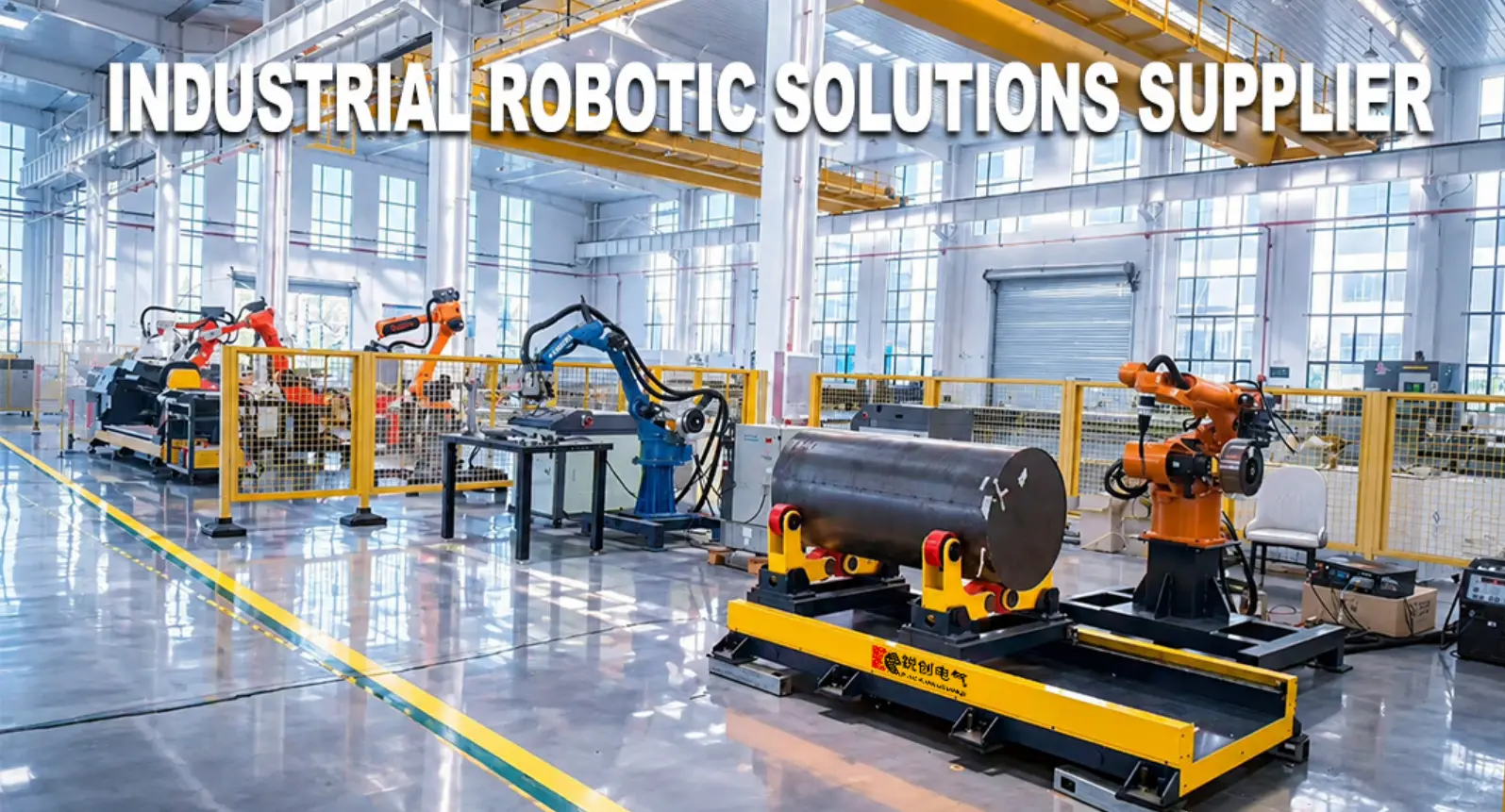
The shift from hand grinding to an automatic system will impact various facets of production planning. Repetitive grinding activities reduce the demand for direct labour and reduce the occupational health costs connected with dust exposure and vibration monitoring. The cycle time is more constant as the robot’s performance is not impacted by shift changes or operator experience level.
The financial case is based on volume of production, part complexity and present labour structure. For facilities with two or three shifts of repeated grinding processes, automation is usually less expensive on a per-part finishing basis than continuous human operations. Specific ROI time lines may vary by application and should be examined with your real production data.
FAQ
Q: What is the function of deburring robot?
A: It automatically eliminates burrs, sharp edges, flash and slag after cutting, stamping, casting or welding. It also provides surface polishing and edge rounding on metal objects.
Q. What kind of materials can the product process?
A: Castings in aluminium alloy, cast iron, carbon steel, stainless steel, zinc alloy, copper and certain hard plastics. The device can handle materials from mild aluminium to tougher ferrous alloys.
Q: Can robots handle difficult castings, uneven parts?
A: Yes. The multi-axis arm follows complicated curves, such as uneven edges, interior corners and curved surfaces with active force control and 3D vision guided route adjustment.
Q: What industries utilise this system?
A: The main application fields include: automotive die-casting, hydraulic valve manufacture, new energy component production, hardware & kitchenware finishing and general metal fabrication.
Q: How does the robot cope with dimensional variations between parts?
A:Active force control in combination with a 3D vision system modifies the tool path in real time depending on the actual surface of the workpiece, correcting for dimensional discrepancies between individual parts.
Q:Can the system run in wet grinding environments?
A:Yes. The IP67-rated configuration is compatible with both wet and dry grinding conditions.
Contact Us
Contact our team at sales@lyrcautomation.com to discuss your application requirements with Edge Gring and Deburring Robot and find a finishing solution suited to your production needs.