How Does an Automatic PU Gasket Dispensing Machine Improve Electrical Cabinet Sealing?
When electrical cabinets fail in the field, moisture and dust are usually the culprits. Automatic dispensing equipment solves this problem at the source by applying polyurethane (PU) gaskets with controlled bead width, consistent flow rate, and repeatable path accuracy — qualities that manual application simply cannot match. Whether you run a sheet metal enclosure shop or manage a high-volume OEM line, switching to an automated PU gasket dispensing system means fewer field failures, lower rework rates, and seals that hold up to IP-rated standards over the product's full service life.
Understanding Electrical Cabinet Sealing Challenges
It may sound easy to seal an electrical box, but things are much messier on the shop floor.
The Limits of Manual Application
The thickness of PU seals that are put on by hand varies from worker to worker and shift to shift. Industrial quality management studies regularly show that applying fluids by hand causes bead widths to vary by 15–30%, which is enough to break an IP54 or IP65 seal during a moisture ingress test.
Cost of a Sealing Failure
There's more that can go wrong with an outdoor electricity enclosure's door-frame lock that doesn't work. It leaves internal parts open to rusting, leads to expensive refunds, and hurts customer trust. OEM makers can lose contracts and have to shut down lines because of repeated closing problems.
Why Repeatability Matters More Than Speed
Cycle time is something that procurement managers often think about, but repeatability is the metric that really controls defect rates. It is more valuable to have a machine that shapes beads in the same way on the 1,000th cabinet as it did on the first. This is because the machine is more accurate.
How Automatic PU Gasket Dispensing Machines Work
These tools are designed to work with polyurethane glue, which react badly to water, have a wide range of viscosities, and can harden in the nozzle if not used for a while. Automatic dispensing equipment is designed to control material delivery and application paths more consistently than manual methods.
Core Hardware Components
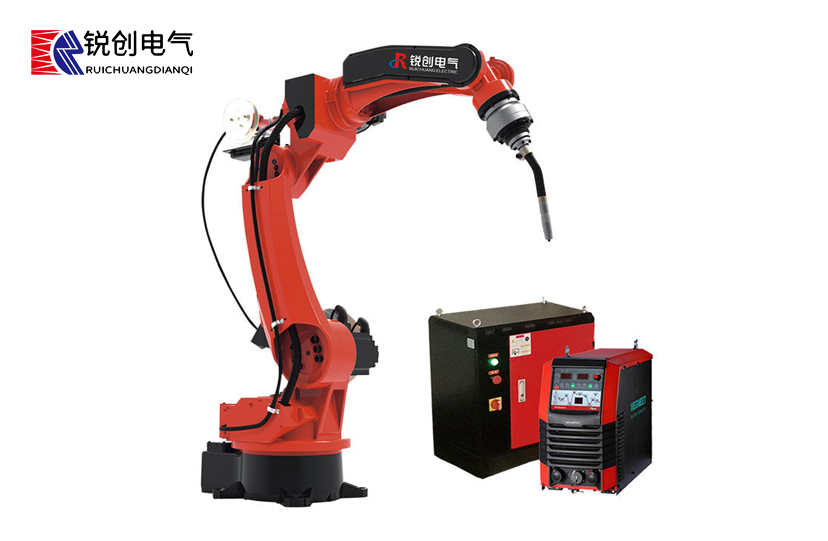
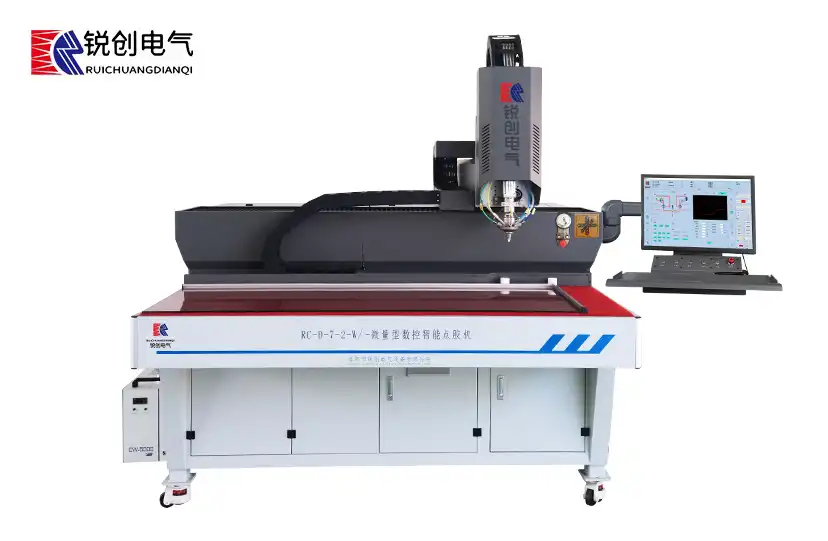
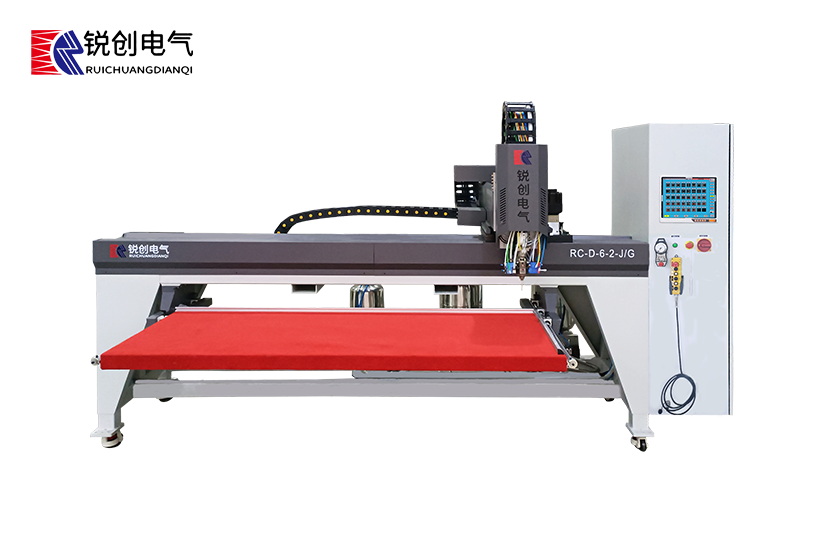
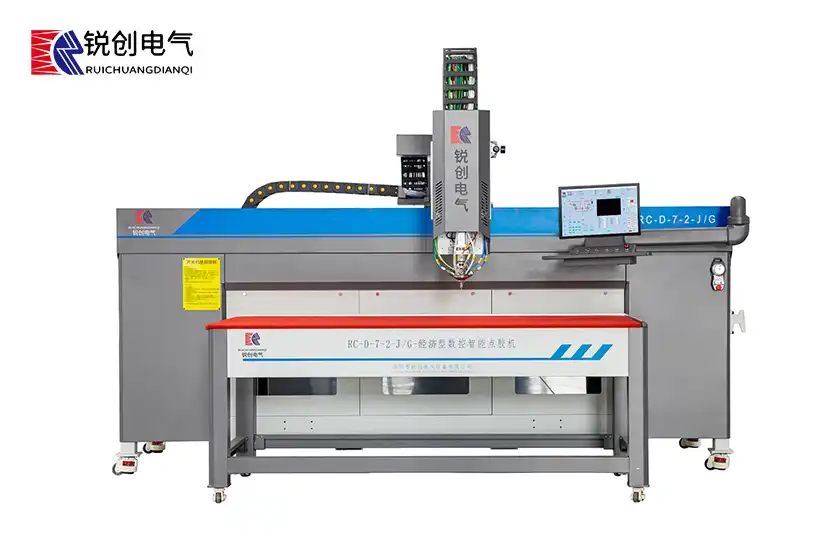
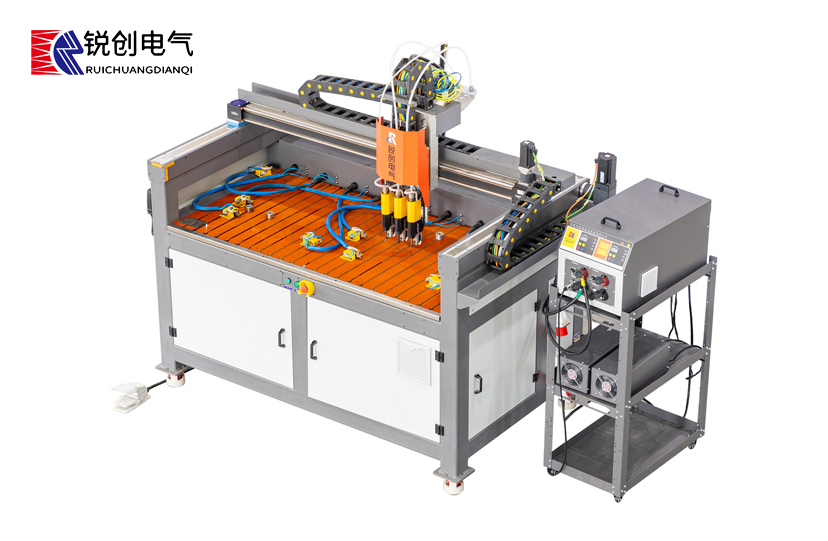
A common system has a constant-pressure filling valve and a multi-axis motion platform, such as a 3-axis gantry or a 4/5-axis robotic arm. The valve controls the flow of material in real time, and the control unit follows a pre-programmed path that is based on the CAD shape of the cabinet.
Closed-Loop Flow Control
Large, high-tech pouring platforms use closed-loop volume metering to keep the accuracy of filling within ±2% throughout the whole production run. This means that the beads on the first and last cabinets in a batch are almost the same size when they come off the line. This is important for making sure that the IP rating is always met.
Vision Positioning for Complex Geometries
Vision placement can read fiducial marks or edge geometry and change the pouring path in real time for cabinet door frames with irregular shapes or punched-hole patterns. This gets rid of the alignment drift that happens when metal parts have different sizes from pressing or welding that happened earlier.
Benefits of Using Automatic PU Gasket Dispensing Machines for Electrical Cabinets
When gaskets are applied by hand instead of automatically, it affects quality, labor, safety, and output at every stage of the production line. Automatic dispensing equipment helps standardize these processes by controlling material flow, dispensing paths, and application speed.
Here are the main working advantages this equipment gives you:
- Sealing uniformity at scale: Automated bead control keeps cross-section variance below ±2%, giving every cabinet a consistent seal profile that supports IP54 through IP66 certification requirements.
- Reduced material waste: Closed-loop metering dispenses only what the path geometry requires. Compared to manual application, material savings of 10–20% are typical for PU foam gasket production runs, reducing raw material spend per unit.
- Lower labor dependency: One operator can supervise multiple dispensing stations simultaneously, reducing direct labor hours per cabinet without sacrificing output quality — a clear advantage given current skilled-labor shortages.
- Improved chemical safety: Enclosed fluid paths and automated purge cycles limit operator contact with PU compounds, reducing vapor exposure and aligning with OSHA chemical handling guidelines.
These improvements directly lead to fewer warranty claims, faster line throughput, and a more stable cost per unit of production. Documented process control also makes it easier for OEM manufacturers who are being audited by customers to show that their quality system meets ISO 9001 standards.
Applications and Case Studies in Electrical Cabinet Manufacturing
Automatic dispensing equipment for PU gasket application can be used on more types of enclosures than most manufacturers think.
Door Frame and Perimeter Sealing
Continuous bead dispensing around the door frames of industrial cages, electrical cabinets, and outdoor distribution boxes is the most common use. The machine goes around the whole edge in a single pass, so there are no start/stop joints, which are typical places where seals fail when they are put on by hand.
Custom Gasket Patterns for Specialty Enclosures
For example, gasket designs for EV charger housings, junction boxes, and sensor cases often need to go in non-rectangular shapes to fit around mounting bosses, wire entries, and vent holes. Multi-axis pouring heads can handle these shapes without having to change the tools, which lets one machine make a lot of different SKUs.
Demonstrated Production Results
A company that makes sheet metal enclosures added automated PU foam gasket dispensing to its cabinet door line and saw a 40% drop in gasket-related rework and a noticeable rise in first-pass IP-test yield within the first quarter of operation. The cycle time per door frame also went down, which made room for more product variations.
Maintenance and Safety Considerations
A organized maintenance routine, not reactive fix, is what makes a dispensing machine work the same way every time.
Routine Calibration and Inspection
By cleaning the nozzle every day, you can avoid partial blockages that change the shape of the beads. Every week, the weight is calibrated to make sure that the metering system is still giving out the right amount. Drive screws, valve seats, and pressure regulators are checked every three months to find wear before it affects the quality of the output.
Built-In Safety Features
Professional dispensing platforms have shut-off circuits in case of an emergency, material tanks that are sealed off, and automatic idle-purge routines that keep PU from forming in the valve body. These features keep workers safe and cut down on unnecessary downtime that happens when dispensing heads get clogged.
Operator Training and Documentation
Without trained operators, even well-designed tools don't work very well. Clear SOPs for loading materials, choosing a path program, and purging at the end of the shift are what separate a machine that works well for years from one that needs to be serviced all the time.
How to Choose the Right Machine for Your Production Line
When choosing automatic dispensing equipment, you need to make sure that the machine's design fits your cabinet shape, production volume, and integration requirements.
Match Axis Configuration to Part Complexity
3D crane platforms work well with simple rectangular door frames. For cabinets with grooves that are set back, surfaces that are angled, or 3D closing tracks, a 4-axis or 5-axis robot is needed. It costs more and doesn't help to choose more axis capabilities than the application needs.
Verify Protocol Compatibility Early
If your line is controlled by a PLC or SCADA, make sure that the dispensing system works with Modbus, Profinet, or the protocol that your current equipment uses. Changes made late in the merging process are expensive and cause delays in launching.
Evaluate Total Cost of Ownership
The price to buy something is a number. What the machine really costs over three to five years depends on how easy it is to get replacement parts, how often software is updated, how much on-site setup help is available, and how long the guarantee lasts. A supplier that keeps spare parts in stock and offers remote diagnostics is better at keeping your line up and running than one whose prices are low.
Conclusion
Automatic PU gasket dispensing machines fix the biggest problem in making electrical cabinets: the difference between what the design says about the seal's performance and what the user actually gets. Closed-loop flow control, multi-axis motion, and optional vision positioning all work together to make IP-rated seals that can be used over and over again on a large scale. This technology is useful for OEM cabinet makers who have to deal with a wide range of products, audit standards, and limited workers at the same time.
FAQ
What types of polyurethane materials can these machines dispense?
Most automatic dispensing platforms can work with both PU foam gasket mixtures that only have one component and systems that have two components. Before buying equipment, you should make sure that the supplier knows what range of viscosity and mix ratio you need.
How long does it take to program a new cabinet profile?
With CAD-to-path tools that can import DXF files, it takes less than 30 minutes to make a new dispensing program for a normal rectangular door frame. Setting up complicated shapes with lots of holes could take an hour or two.
Can the machine handle multiple gasket widths on the same part?
Yes, you can change the bead width by changing the program's valve pressure and movement speed. Different bead profiles can be used on different parts of the same path without having to change any hardware.
What IP rating can a properly applied PU gasket achieve?
PU foam seals usually support IP54, IP65, and IP66 grades when they are dispensed correctly and given enough time to cure. Whether you get IP67 or IP68 depends on the shape of the gasket and how hard the cabinet clamps down.
How does the machine prevent PU from curing in the nozzle during idle periods?
At set times, automated purge cycles push new material through the valve, and moisture-barrier seals on the reservoir stop ambient humidity from starting the curing process. These methods run without any help from the user.
Get a Dispensing Solution Built Around Your Cabinet Line — Contact Ruichuang
For more than 24 years, Ruichuang (LYRC Machine) has been focusing on automating the manufacturing of sheet metal. One of our main areas of expertise is automatic dispensing equipment. We plan, build, and start up dispensing systems that are specific to your cabinet shape, gasket material, and line layout. These systems can be as simple as a single station or as complex as full production lines with PLCs built in. We help OEM/ODM projects with private labeling and long-term spare parts supply as a certified maker of automatic dispensing equipment with CE and ISO 9001 paperwork. You can email our engineers at sales@lyrcautomation.com to ask for a technical advice or a free trial.
References
International Electrotechnical Commission. IEC 60529: Degrees of Protection Provided by Enclosures (IP Code). IEC, 2013.
Brydson, J.A. Plastics Materials, 7th ed. Butterworth-Heinemann, 1999.
Loctite / Henkel. Engineering Adhesives and Sealants for Industrial Assembly. Henkel AG, 2018.
Müller, T., and R. Schreiber. "Automated Form-in-Place Gasket Technology for Enclosure Sealing." Journal of Manufacturing Processes, vol. 34, 2018, pp. 412–419.
OSHA. Occupational Exposure to Isocyanates: Engineering Controls and Work Practices. U.S. Department of Labor, 2020.
Skeist, Irving, ed. Handbook of Adhesives, 3rd ed. Van Nostrand Reinhold, 1990.