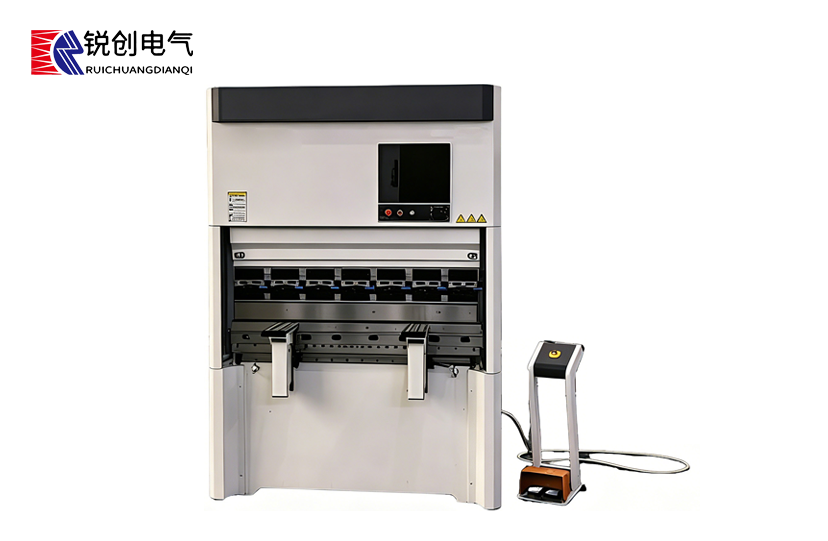
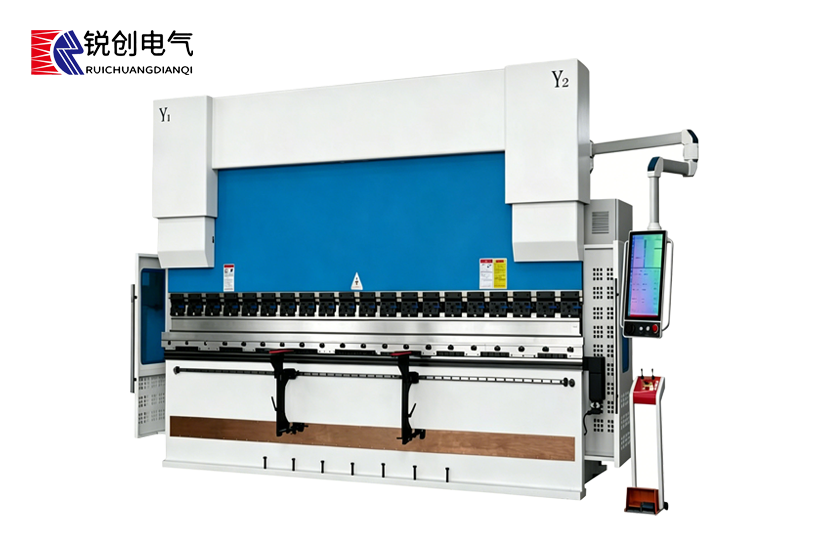
Servo‑Electric CNC Press Brake
Machine Type: Full Electric CNC Press Brake
Drive System: Servo Motor Electric Drive System
Bending Accuracy: High Precision CNC Controlled Bending
Energy Efficiency: Low Energy Consumption with Reduced Operating Costs
Processing Materials: Stainless Steel, Aluminum, Carbon Steel Sheets
Servo‑Electric CNC Press Brake for High-Precision Sheet Metal Bending
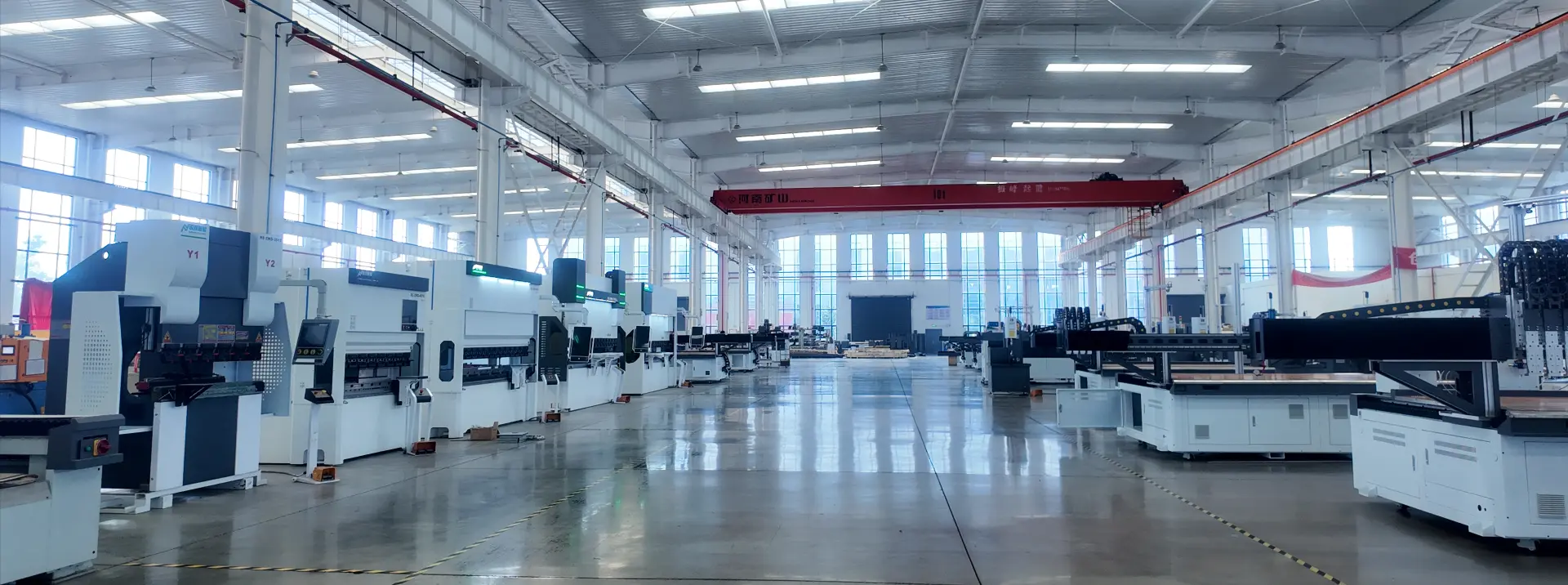
Luoyang Ruichuang Electrical Equipment Co., Ltd. has been producing CNC sheet metal equipment since 2002. Our Servo‑Electric CNC Press Brake eliminates hydraulic drive, using high-torque servo motors and planetary roller screws to eliminate hydraulic oil altogether from the bending process. The result is a machine with ram positioning precision of ± 0.001 mm, backgauge repeatability of ± 0.01 mm and energy usage up to 50–60% lower than that of traditional hydraulic press brakes.
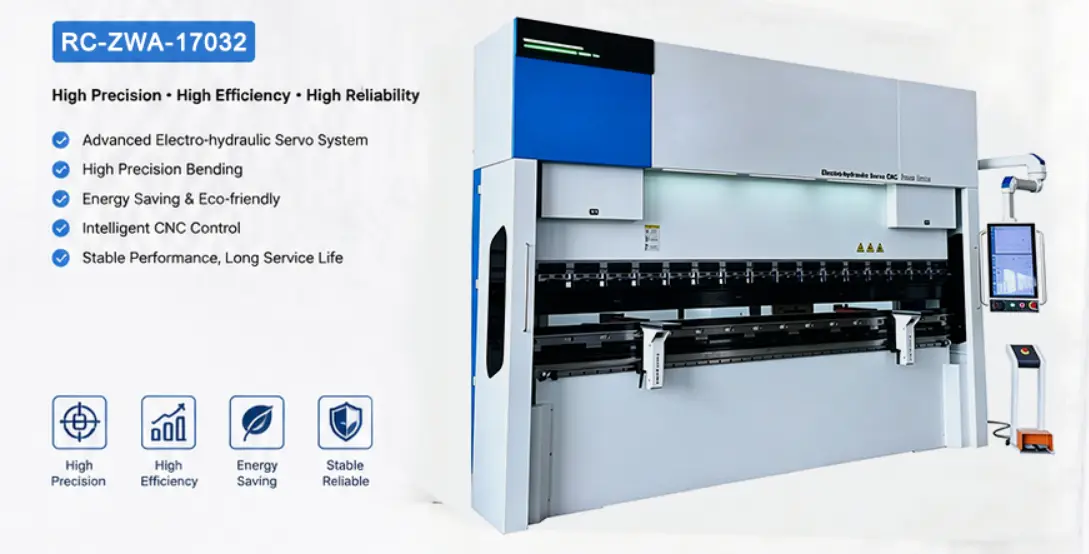
How a Servo‑Electric CNC Press Brake Works
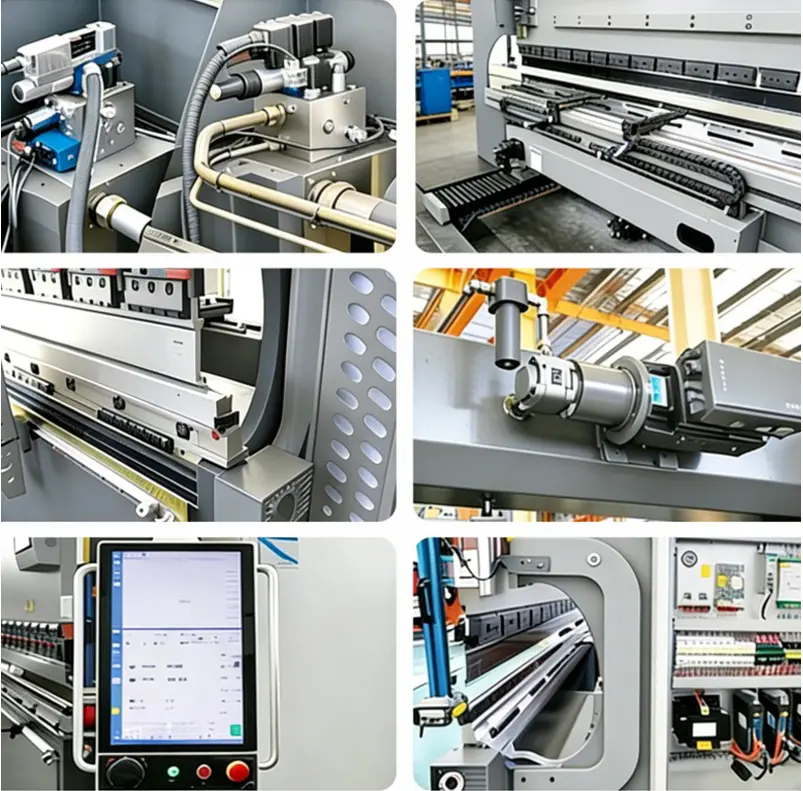
The ram is driven by servo motors using planetary roller screws or high duty belt-pulley systems via a Servo-Electric CNC Press Brake. There are no hydraulic cylinders. Power is used just in the active bending stroke, not constantly as in a hydraulic pump.
This design solves three typical practical difficulties encountered in hydraulic bending operations: oil temperature increase throughout long shifts causing dimensional drift, downtime from oil leaks and filter maintenance, and chronic pump noise on the shop floor. By deleting the hydraulic circuit, the complexity of the drivetrain and the number of components that need regular servicing are reduced.
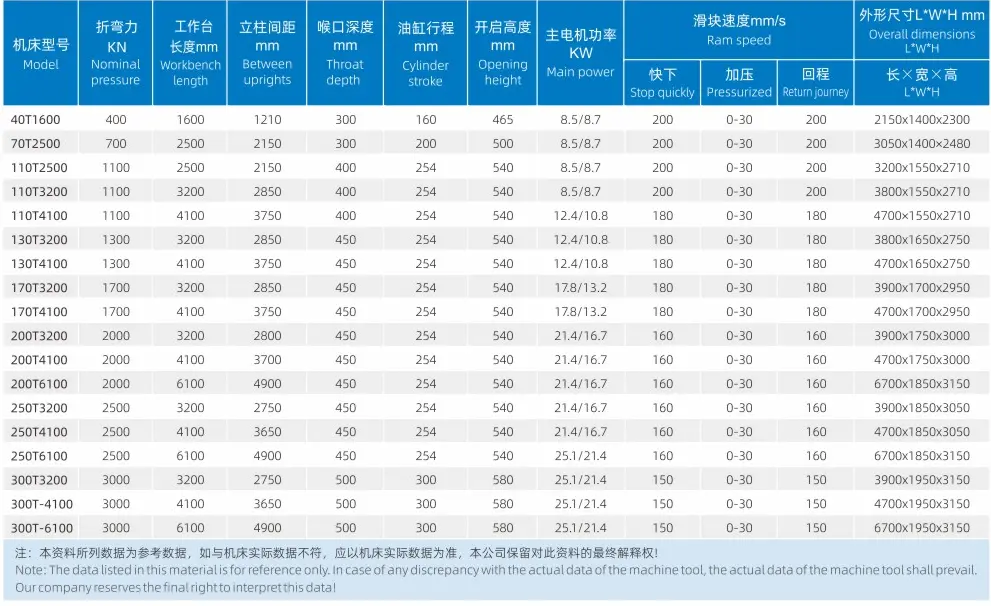
Technical Specifications
Operational Advantages
No hydraulic oil in the system. The machine runs completely dry. Oil leaks, filter replacements, and hydraulic fluid disposal are eliminated. Maintenance activity is reduced compared to a hydraulic equivalent.
Power consumed only during bending. Servo motors draw current during the stroke and idle otherwise. Hydraulic pumps run at load continuously regardless of cycle demand. This difference accounts for the 50–60% energy reduction figure.
Constant bending angle for the whole manufacturing shift. The machine keeps the temperature constant since there is no heating up of hydraulic oil in time. Angular output at the conclusion of a shift is matched to the initial portion generated thereby decreasing thermal drift.
Quicker approach and return speeds. The servo drive is directly driven by position instructions. The approach and return strokes are quicker than hydraulic systems of equal tonnage, improving parts-per-hour throughput for repeated bending operations.
Lower ambient noise. The absence of a continuously running hydraulic pump reduces operating noise levels on the shop floor.
Reduced routine maintenance scope. Scheduled maintenance of Servo‑Electric CNC Press Brake focuses on ball screw or roller screw lubrication and drive belt tension inspection. There are no oil changes or hydraulic filter service intervals.
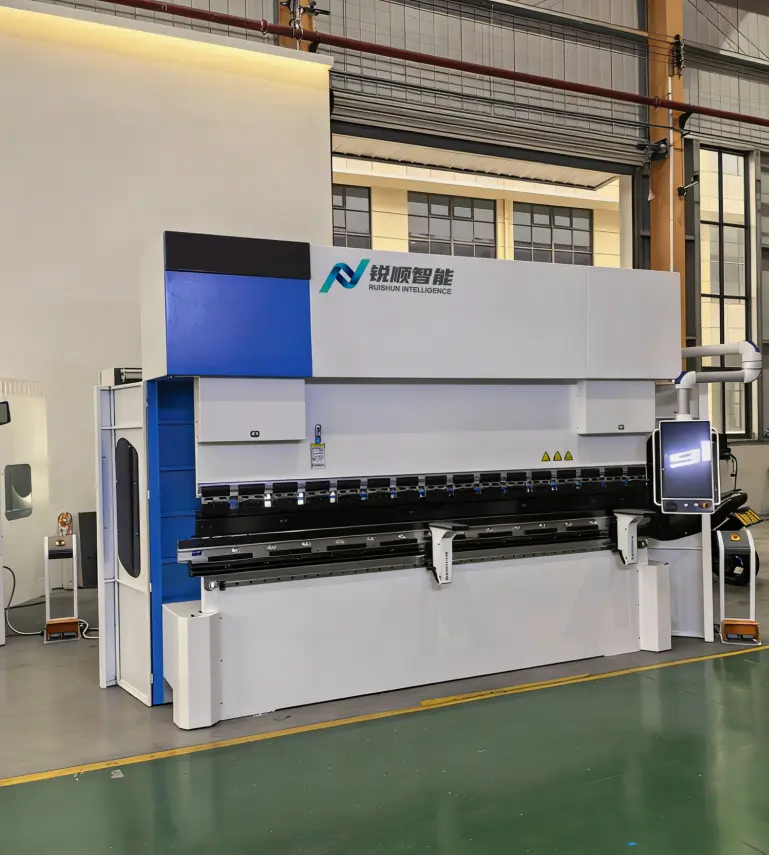
Typical Application Areas
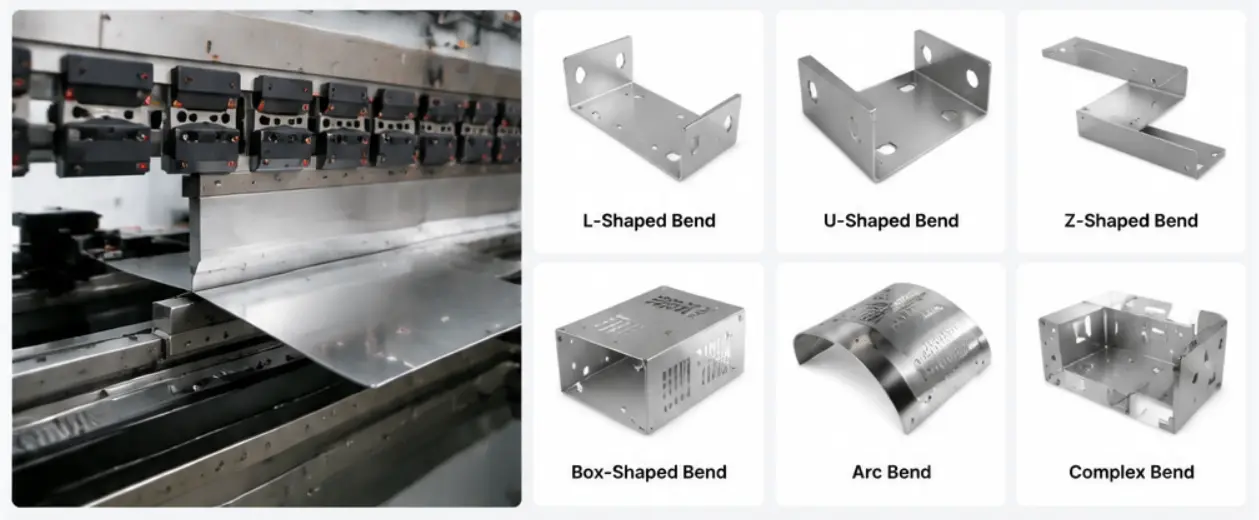
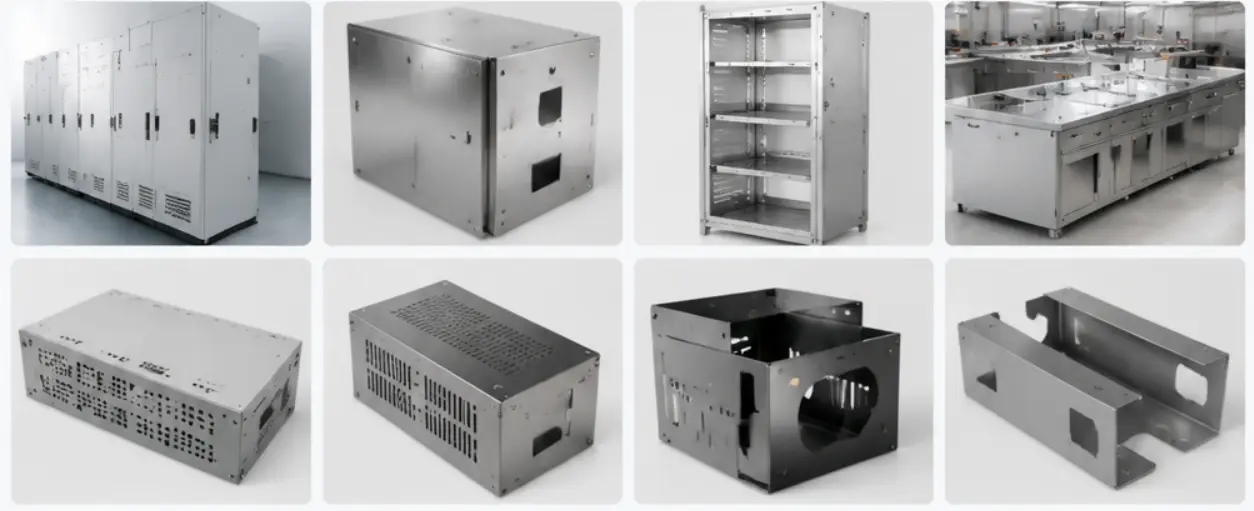
Electrical enclosures and sheet metal cabinets. Consistent repeat positioning supports box-form parts that require the same bend angle across high-volume production runs.
Precision electronics and telecom hardware. Server chassis and rack components often have tight angular tolerances and require fast cycle times. The servo drive's positioning precision and cycle speed are well matched to these requirements.
Thin and medium sheet fabrication. Aluminum and stainless steel decorative or structural components with strict angle tolerances benefit from the machine's repeatability and oil-free operation.
General industrial sheet metal. Carbon steel and stainless steel parts for machinery, HVAC, and industrial enclosures across a range of thicknesses are within this machine's standard processing scope.
Quality Inspection Before Shipment
Each machine is inspected before leaving the factory. The inspection process includes the following steps:
- Geometric accuracy verification of ram parallelism and positioning across the full stroke
- Structural deflection check of the O-frame under rated tonnage load
- Synchronization test of dual-drive servo motors during operation
- Functional verification of laser guard safety response in reference to EN ISO 12622
- Continuous cycling run to monitor motor temperature and drive system stability under simulated production conditions
FAQ
Q:What is the main difference between a servo-electric press brake and a hydraulic press brake?
A:The servo-electric model uses servo motors and mechanical screw drives instead of hydraulic cylinders and oil circuits. That means no hydraulic fluid in the machine at all, with implications for maintenance needs, energy consumption and thermal stability during lengthy production cycles.
Q: What kind of materials can this machine handle?
A: Stainless steel, Aluminium and carbon steel sheets. The machine is suitable for thin to medium sheet thicknesses where the key is angular tolerance and reproducibility.
Q: What CNC controllers are available?
A: Delem and ESA controllers are standard. Both give instant feedback and are well established in the sheet metal manufacturing business.
Q: Is the machine suitable for robotic automation?
A: The digital servo drive system is compatible with PLC integration. Therefore the connection with the external robotic bending cells is theoretically possible. The exact integration needs will depend on how the automation is set up.
Q: How can I calculate energy saving?
A: Power consumption of servo motor is only in active bending stroke. Hydraulic pumps are always running under demand, whether a bend is being formed or not, therefore the difference in energy each cycle builds up during a manufacturing shift. The 50–60% value is for the comparison while working normally.
Q:What does the O-frame design provide?
A:The O-frame structure reduces frame deflection under load compared to C-frame designs, which contributes to more consistent angular results across the full working length of the tool.
Contact Us
For product inquiries or technical questions about the Servo‑Electric CNC Press Brake, contact us at sales@lyrcautomation.com. We welcome sourcing inquiries from manufacturers and distributors worldwide.