Industrial Welding Robotic
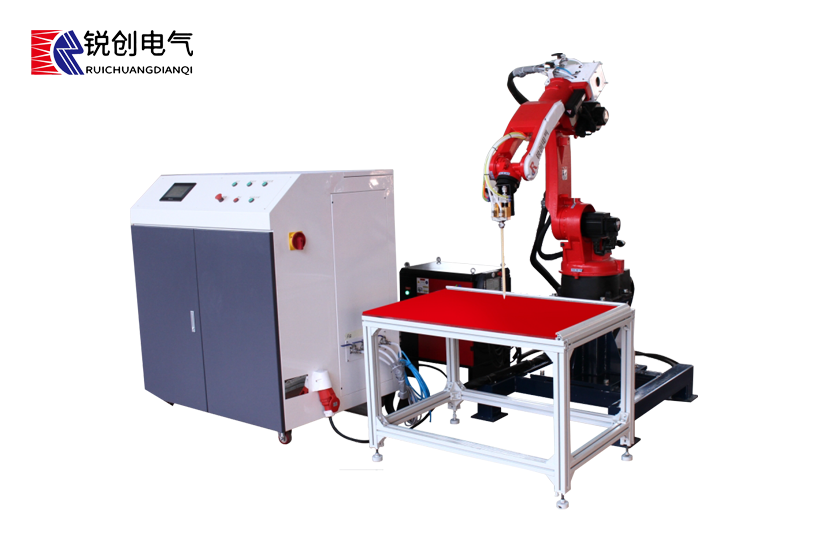
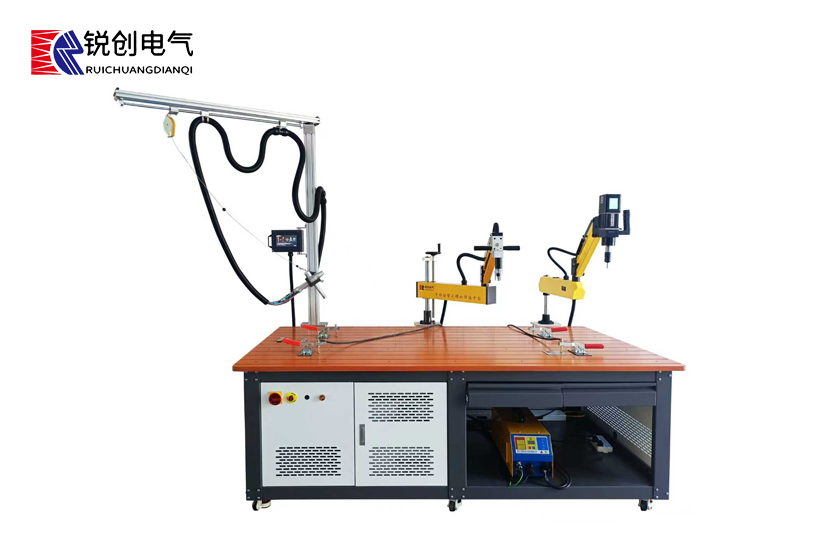
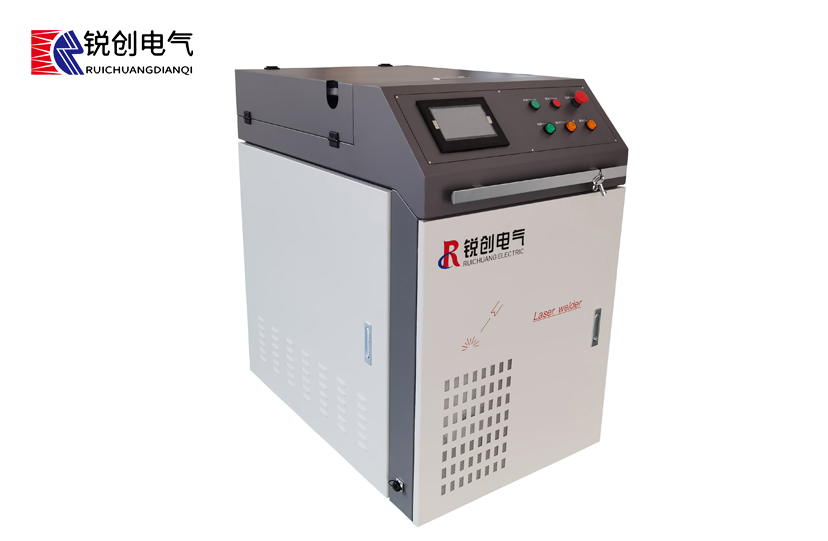
✅ Automated laser welding for high-quality metal joining
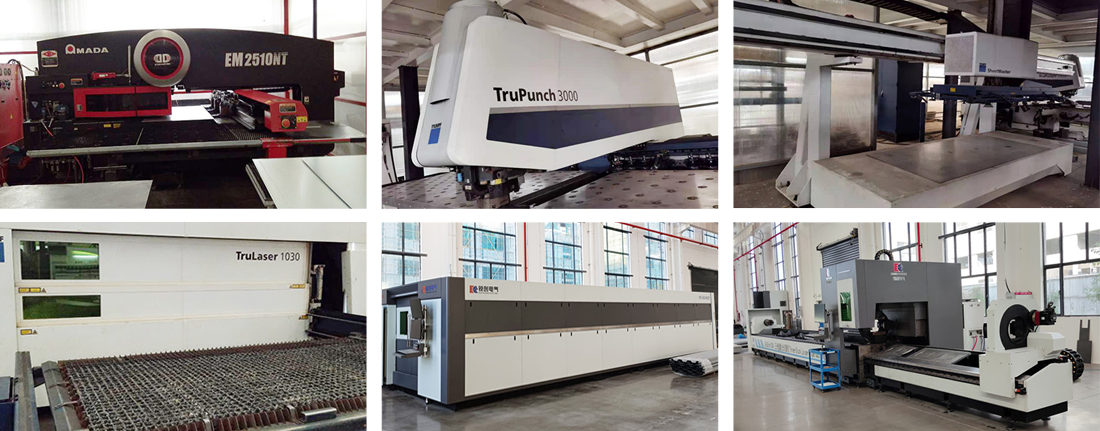
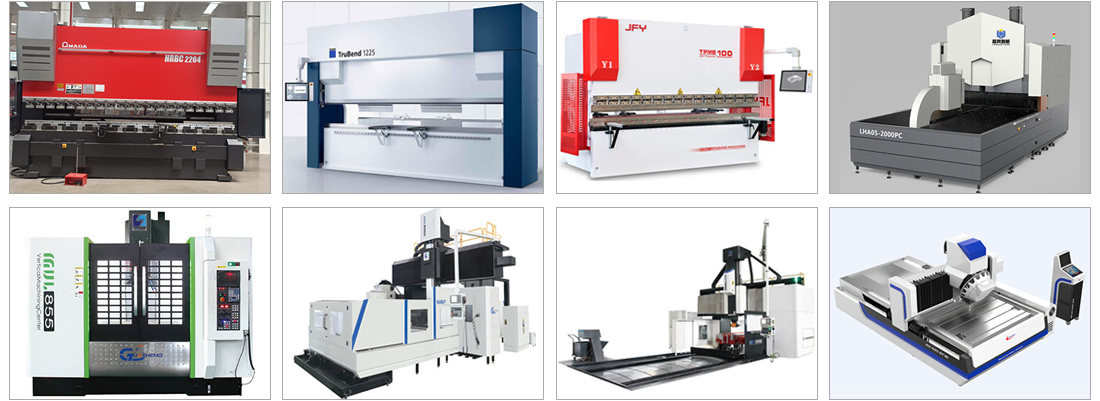
✅ Robotic laser cutting for flexible metal processing
✅ Automatic grinding and deburring for consistent surface finishing
✅ Precision glue dispensing for sealing and bonding applications
✅ Customized robotic systems based on specific production requirements
Industrial Welding Robotic Systems for Metal Fabrication
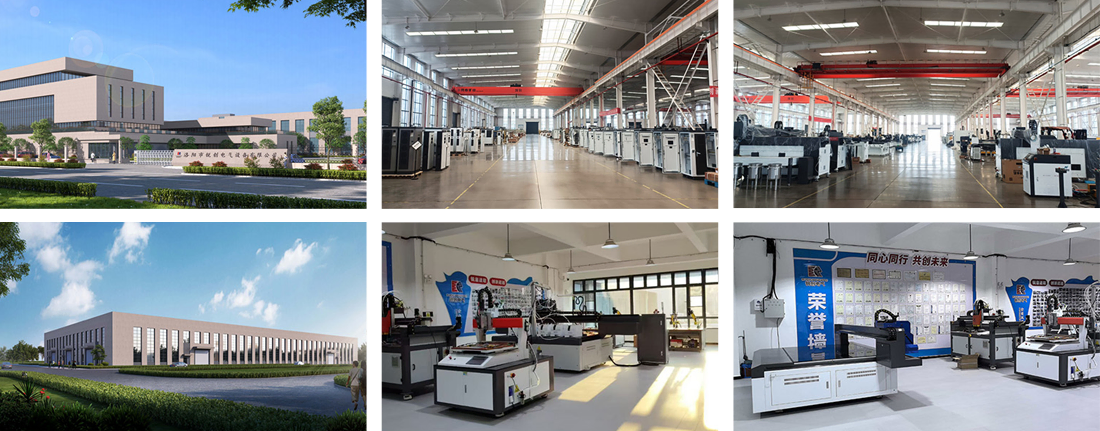
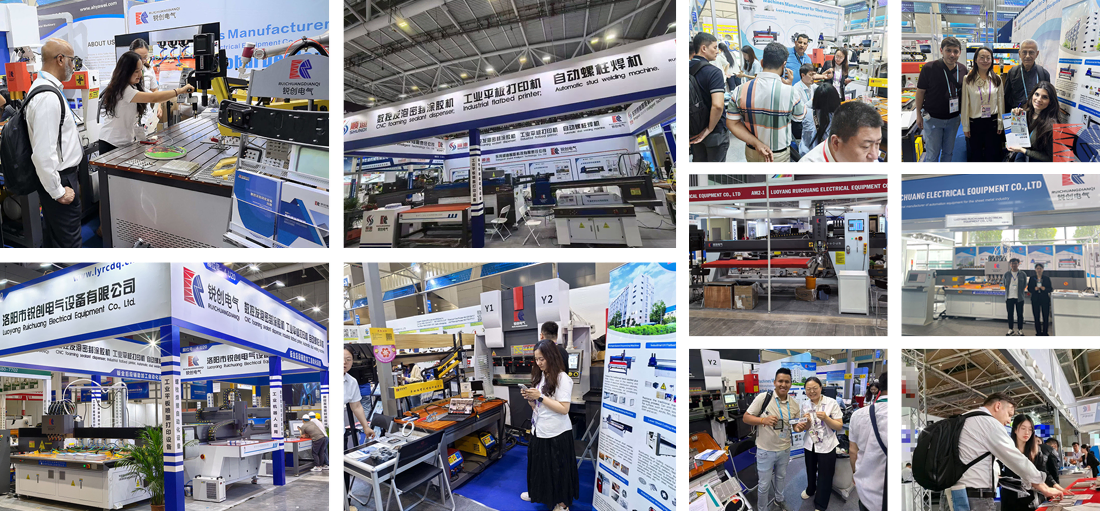
Luoyang Ruichuang Electrical Equipment Co., Ltd. was established in 2002 and has spent more than two decades integrating machinery, electrical engineering, and control software into complete robotic welding workstations. The firm provides sheet metal, new energy and auto parts manufacturers industrial welding robotic systems from original design and installation to commissioning, operator training and continuous maintenance support — all as a single-source solution.
What Is an Industrial Welding Robotic System?
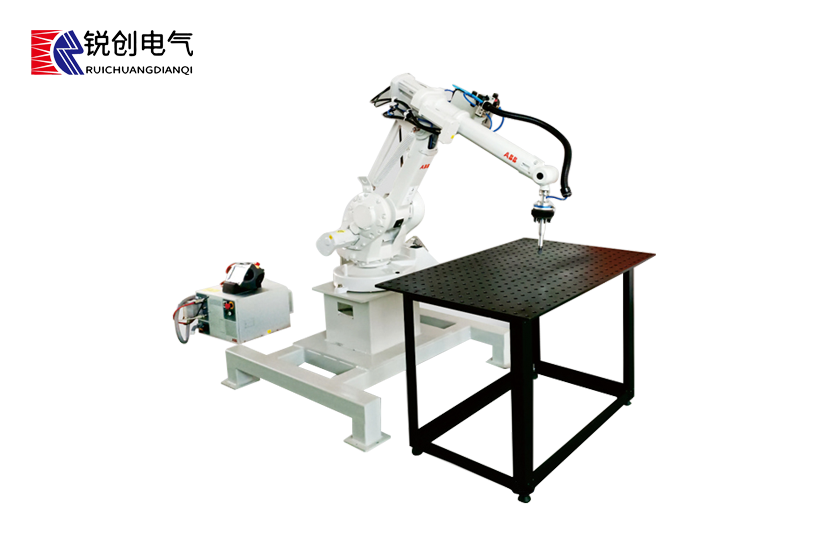
The robotic welding system consists of wire feeders, programmable 6-axis manipulators and dedicated power sources to execute heat-joining activities automatically. The approach provides a fast solution to three typical production problems: the shortage of trained welders, the hazards of welding fumes and arc radiation, and the high rework rates induced by operator fatigue during repetitive operations. And the output is not volatile compared to a manual line with a 100% duty cycle. The procedure is the same from one shift to the next.
Core Capabilities and System Functions
Ruichuang's robotic welding workstations combine several automated functions within a single integrated cell:
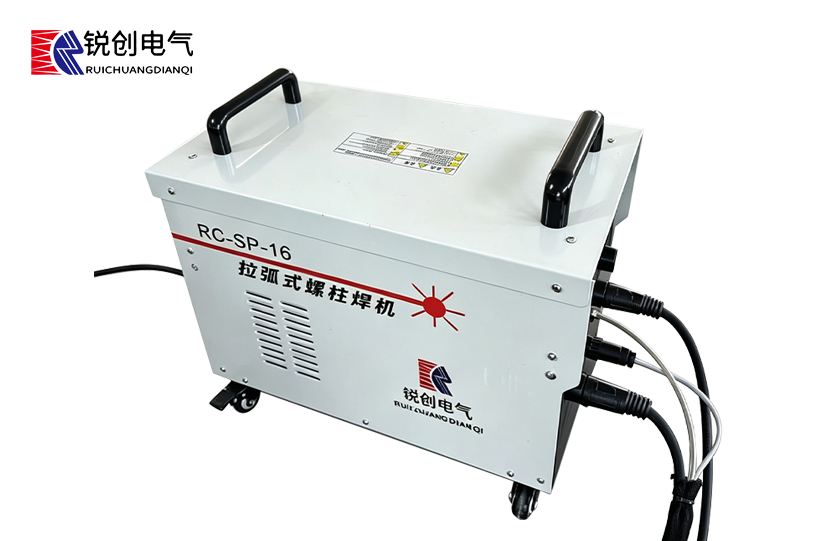
- Automated arc welding supporting MIG, MAG, TIG, spot welding, and stud welding processes
- Robotic laser cutting for flexible metal processing alongside welding workflows
- Automatic grinding and deburring for consistent surface finishing after welding
- Precision glue dispensing for sealing and bonding in assembly applications
- Customized robotic configurations built around a specific production layout and part mix
The 6-axis arm handles straight lines, curves, circular paths, and complex 3D weld seams, making it suitable for mixed-part production without major retooling between jobs.
Technical Specifications
| Parameter | Specification |
|---|---|
| Repeatability | ±0.05 mm – ±0.1 mm |
| Payload Capacity | 3 kg – 20 kg |
| Reach | 1,400 mm – 3,000 mm |
| Axes | 6-axis multi-joint arm |
| Supported Welding Processes | MIG, MAG, TIG, Spot Welding, Stud Welding |
| Communication Protocols | EtherNet/IP, Profinet |
| Seam Tracking | Through-Arc Seam Tracking (TAST), Laser Vision System |
| Programming Methods | Teach Pendant, CAD File Import, Offline Programming (OLP) |
| Compatible Materials | Carbon Steel, Stainless Steel, Galvanized Sheet, Aluminum Alloy |
| Duty Cycle | Up to 100% |
Key Performance Advantages
Weld consistency is better on every cycle. ±0.05 mm high repetition positioning precision eliminates operator fatigue variance. The bead shape and penetration depth are reproducible from run to run, decreasing the inspection effort at the end of the line.
The system is in continuous operation, without the stops and speed changes of a manual line, with the result that the output is greater. Higher production per shift and a lower scrap rate combine to decrease the payback period, however the precise payback period may vary according on part mix, volume and labour costs at each plant.
Worker exposure to welding fumes and arc radiation drops when the robot handles the torch. Operators monitor the cell from outside the hazard zone rather than working directly at the weld joint.
Consumable usage in automated welding is more controlled than in manual operation. Combined with reduced labor requirements per weld in volume production, long-term operating costs tend to decrease as utilization rises.
Application Industries
New Energy and Charging Pile Manufacturing — Robotic welding handles enclosure structures and sheet metal assemblies with repeatable accuracy at production volume, where consistent appearance and dimensional control are both required.
Automotive and Auto Parts — High-speed spot welding and MIG/MAG welding join thin-gauge galvanized steel and aluminum components, executing a large number of welds per cycle with stable positioning.
Metal Cabinet and Electrical Enclosure Fabrication — Consistent bead appearance and clean finishing meet both structural integrity and surface quality requirements for switchgear and control enclosures.
Heavy Construction and Agricultural Machinery — Multi-pass GMAW on thick plate with adaptive seam tracking manages heat distortion across long-seam applications on structural frames and equipment components.
Pressure Vessel and Pipe Production — Robotic TIG welding of Industrial Welding Robotic produces circumferential welds in stainless steel and carbon steel that meet the dimensional and metallurgical requirements of applicable welding procedure specifications.
Quality Control Standards
Every robotic welding installation goes through structured validation before production begins.
The TCP ( Tool Center Point ) calibration verifies that the wire tip is in the right place in the robot coordinate system . In production, real-time monitoring of weld data measures voltage, current and wire feed speed throughout each cycle producing a record that can be traced back for quality inspection.
The inspection techniques used during validation include macro-etch testing to ensure penetration depth, non-destructive testing (NDT) such as ultrasonic and radiographic inspection as required and break-off tests for spot weld joints. Check gas flow to avoid porosity flaws before sign off.
Systems are designed in reference to ISO 10218 for robot safety and ISO 3834 for welding quality management.
Integration and Workstation Configuration
A complete workstation is more than a robot arm. Ruichuang provides integrated setups that can include:
- Rotary positioners for multi-angle part access
- Conveyor lines for continuous production flow
- Safety fences and light curtains for operator protection
- Plasma cleaning units for surface preparation before welding
Using OLP (Offline Programming) software, engineers may simulate and program new parts in 3D, decreasing the downtime of production while changing from one product model to another.
FAQ
Q:What welding processes does the system support?
A: MIG, MAG, TIG, spot welding and stud welding. The design phase customises the actual layout to your welding needs.
Q:What materials can the robot weld?
A: Common metal sheet such as carbon steel, stainless steel, galvanised sheet, aluminium alloy, and new energy manufacture.
Q:Is the robot able to handle 3D curved and intricate weld seams?
A: Yes. The 6-axis arm follows complicated 3D routes and makes straight, curved, round and irregular weld seams with steady positioning precision.
Q: Is it tough to program operators?
A:The system supports teach pendant programming and CAD file import. Operators may handle normal operation after receiving product-specific training at commissioning.
Q:Does the system work with positioners, conveyors and safety fences?
A:Yes. Complete workstation solutions comprising rotary positioners, conveyor lines, safety fences and plasma cleaning equipment.
Q:How does the system deal with part fit-up variation?
A: Touch sensing and laser vision seam tracking find the actual joint location, and adapt the robot route on the fly to compensate for heat distortion or inaccurate jigging, keeping the product cell productive even if the part sizes are not the same from batch to batch.
Contact Us
Send your project details or technical questions about Industrial Welding Robotic to sales@lyrcautomation.com and our team will follow up directly.